With Democrats the clear favourites to hold the House and likely to win the presidency, retaking the Senate is by far the biggest challenge facing them this November. Its importance has been re-emphasized in recent days with the death of Supreme Court Justice Ruth Bader Ginsburg, as the Republican majority threatens to push through a replacement before the election. Aside from that, a Republican controlled Senate could torpedo most of the Democrats’ legislative goals even if they do win the House and the presidency, and could massively obstruct Biden’s cabinet and other judicial appointments.
Republicans currently hold 53 seats to the Democrats 47*. This means Democrats need to pick up a net three seats to win a majority if Biden wins**, or a net four if Biden loses. Notably, whereas 2018 was an unfavourable map for Democrats to make gains, 2020 is far more friendly. A third of the Senate (33 seats) is up for re-election at a time, with there also being two special elections this year due to the death of John McCain of Arizona and the resignation of Johnny Isakson of Georgia. Of these 35 races, Republicans are defending 23 seats, while Democrats will be defending 12. This article will focus on the most important races- those most likely to change the balance of the Senate.
In each heading, the first name represents the incumbent, or the incumbent’s party.
*This includes two independents who caucus with the Democrats, Bernie Sanders (Vermont) and Angus King (Maine), and one Democrat who caucuses with the Republicans, Joe Manchin. #satire
**The vice president acts as a tie breaking vote in the Senate.
Alabama: Doug Jones (D) vs Tommy Tuberville (R)
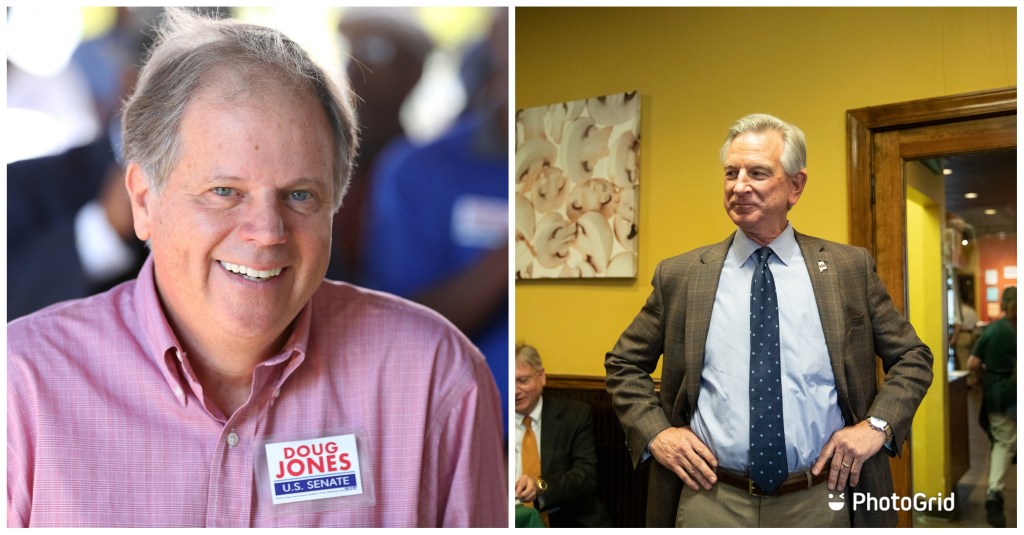
RealClearPolitics rating: Likely Republican
Doug Jones is the single most vulnerable senator of either party up for re-election this November. Alabama is a Trump stronghold (Trump won in 2016 with 62% of the vote) which Jones really had no business winning in the first place. He was only able to win in 2017 (taking Jeff Sessions’ vacated seat) because he was running against Roy Moore, an actual paedophile. Even at that, Jones beat Moore by less than 2%.
Jones’ opponent this time has had no such allegations made against him. Tommy Tuberville is a former college football coach who decided to run for the Senate seat because I guess that was the logical next step in his career path. With Trump’s endorsement, he defeated former Attorney General, and occupant of this seat, Jeff Sessions, in the primary. Barring a massive nationwide Democratic landslide, Tuberville will likely defeat Jones as well.
Colorado: Cory Gardner (R) vs John Hickenlooper (D)
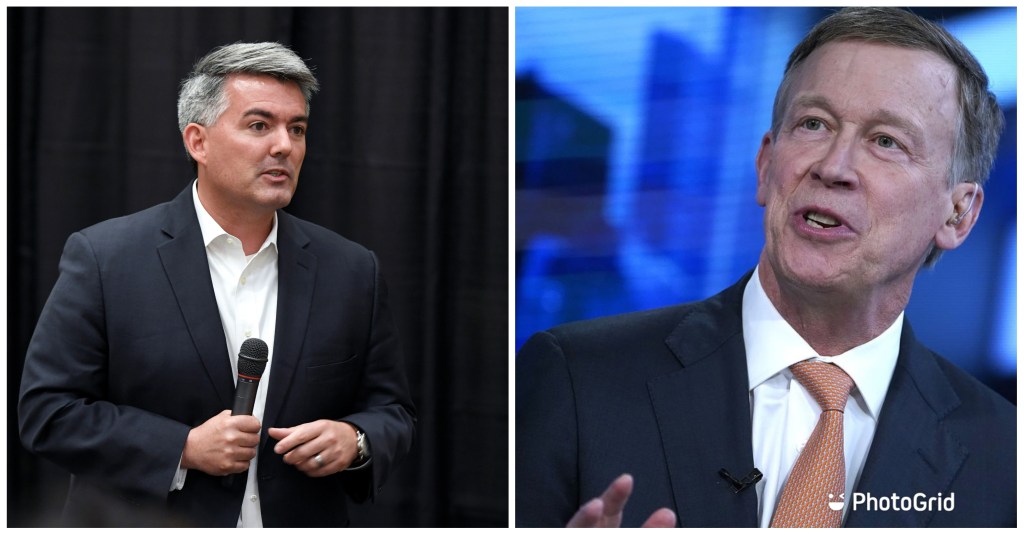
RealClearPolitics rating: Leans Democrat
If Doug Jones is the most vulnerable Democratic senator this November, Cory Gardner is the most vulnerable Republican. Gardner narrowly defeated Democratic incumbent Mark Udall in 2014 as part of the GOP’s nationwide surge, but is now the last Republican to hold a major statewide office in an increasingly blue Colorado. In this context, it is weird that Gardner has decided to run an extremely pro-Trump campaign, but that’s what he’s done anyway.
Gardner will likely lose to former governor John Hickenlooper, who you probably don’t remember from this year’s Democratic presidential primary. Hickenlooper spent that primary saying various nonsensical things about why socialism is bad, how he’d never run for Senate, and how come female presidential candidates aren’t ever asked if they’d put a man on the ticket. Nevertheless, he’s remained relatively popular in Colorado, even despite being fined earlier this year for ethics violations while governor.
Arizona: Martha McSally (R) vs Mark Kelly (D)
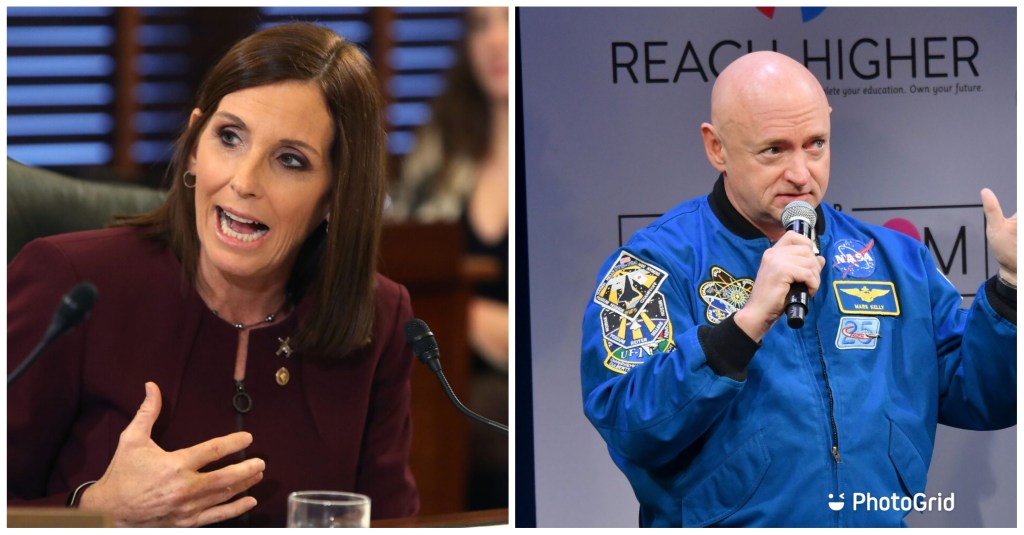
RealClearPolitics rating: Toss Up
Martha McSally holds the unique honour of being the only incumbent on this list to lose their last Senate race. She ran in 2018, but lost to Democrat Kyrsten Sinema. She was eventually appointed to Arizona’s other Senate seat after fellow Republican Jon Kyl resigned.
McSally is running against Mark Kelly, who was an astronaut. Though Hillary Clinton lost Arizona in 2016, she wasn’t an astronaut. Kelly has had a massive fundraising haul so far, and in an Arizona that is trending blue and against a Republican who Arizonans already rejected, he will likely win.
Maine: Susan Collins (R) vs Sara Gideon (D)
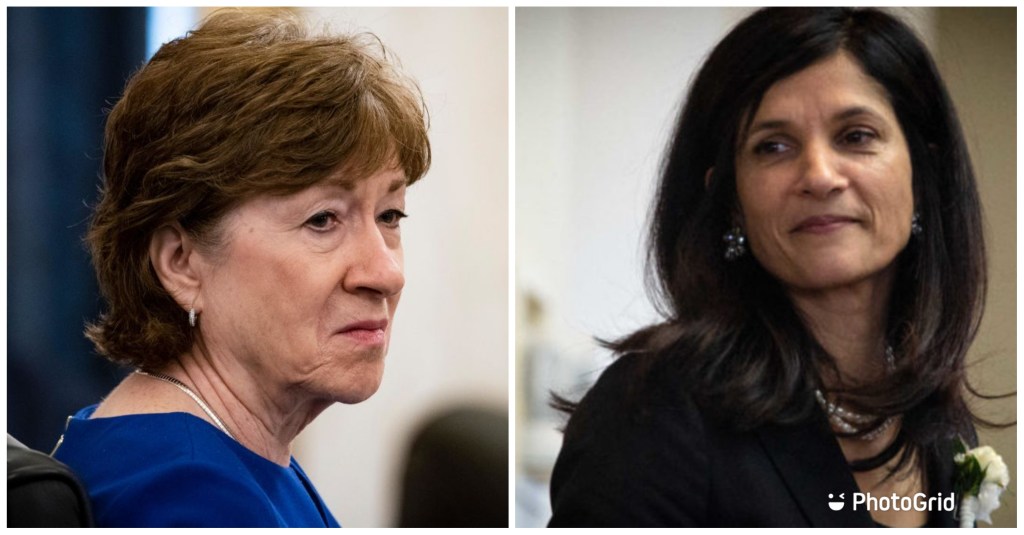
RealClearPolitics rating: Toss Up
Aside from Cory Gardner in Colorado, Susan Collins is the only Republican senator up for re-election this year in a state Hillary Clinton won. Collins has made a name for herself by being one of the most moderate Republicans in the Senate, notably stating she wouldn’t vote for Trump in 2016 and voting against efforts to repeal Obamacare without a replacement. While her centrism has allowed her to win four consecutive terms up to now, Collins has faced extreme criticism for her votes to confirm Brett Kavanaugh and to acquit Trump after his impeachment. She is however the only Republican on this list so far to come out against replacing Ruth Bader Ginsburg before the election.
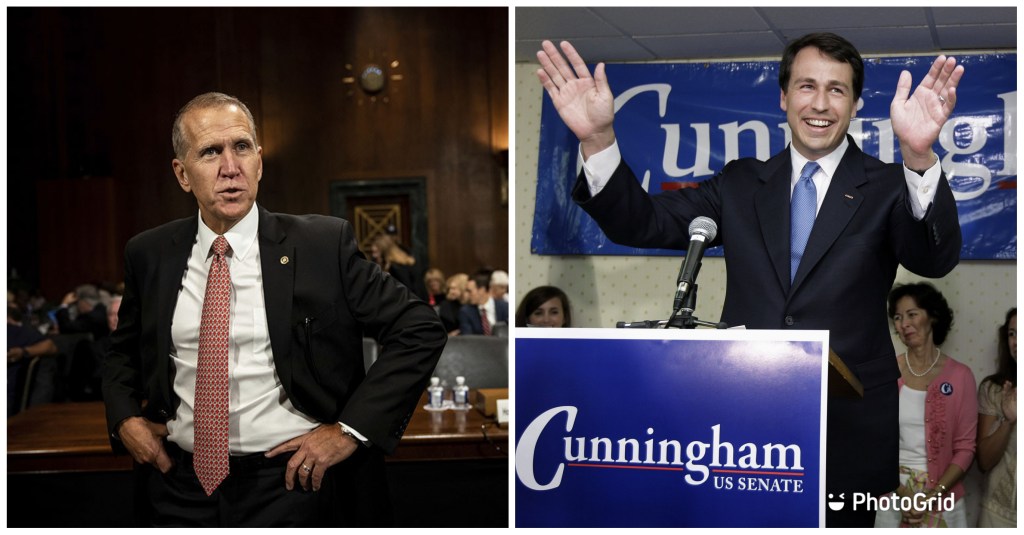
North Carolina: Thom Tillis (R) vs Cal Cunningham (D)
RealClearPolitics rating: Toss Up
North Carolina could very well be the closest Senate race this November. Traditionally a red state which is now slowly edging towards purple, North Carolina has two Republican senators and a Democratic governor. Thom Tillis is a first term senator who spent the initial years of the Trump presidency semi-frequently voting with Democrats on issues like immigration and the Robert Mueller investigation, before pivoting to a hard pro-Trump position in an attempt to stave off a primary challenger from the right. As a result, everyone hates him, and Republican turnout could be depressed enough for Cal Cunningham to win.
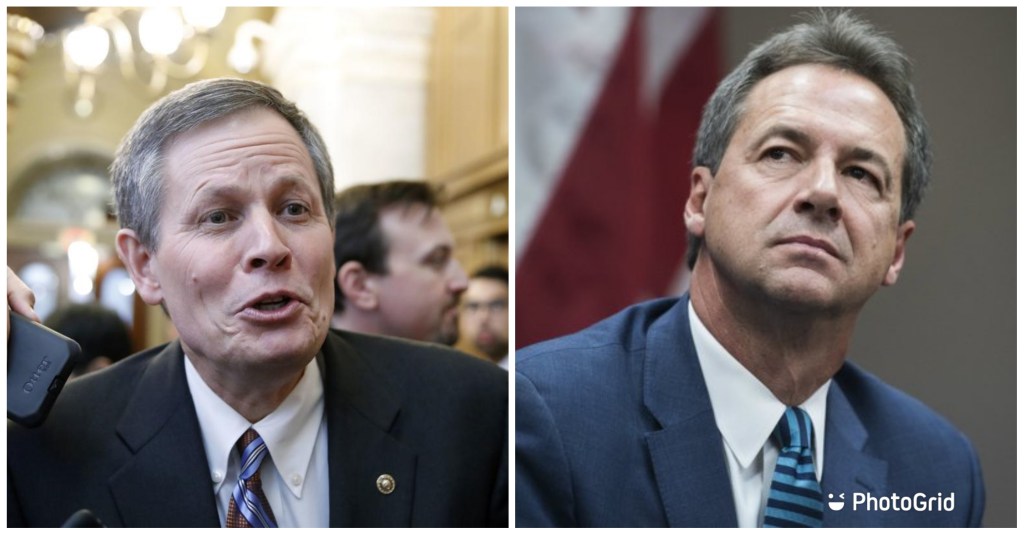
Montana: Steve Daines (R) vs Steve Bullock (D)
RealClearPolitics rating: Toss Up
Montana wasn’t really seen as a potential pickup for Democrats until current governor Steve Bullock dropped out of the presidential primary to enter the Senate race. It’s very rural, and very white, and is expected to be won by Trump again in the presidential contest this year. However Montana also voted for Bullock as governor twice in years where they voted for a Republican for president, and re-elected Democratic senator Jon Tester in 2018.
Bullock’s opponent in the Battle of the Steves, Steve Daines, has been attacking Bullock as out of touch, and has criticised Bullock for his move to the left on guns.
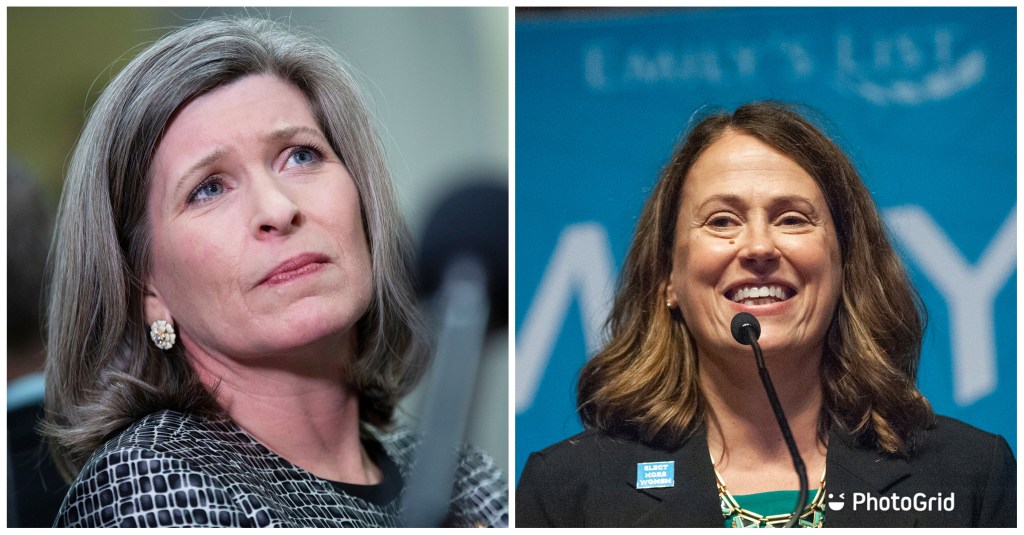
Iowa: Joni Ernst (R) vs Theresa Greenfield (D)
RealClearPolitics rating: Toss Up
Joni Ernst was first elected to the Senate in 2014, with an ad you should really just watch instead of having me describe it to you:
Ernst has faced criticism recently for repeating a conspiracy theory about the government health officials overstating Iowa’s COVID death count. This is on top of the Iowan agricultural sector being hit hard by Trump’s trade policies. She is running against Theresa Greenfield, a political newcomer.
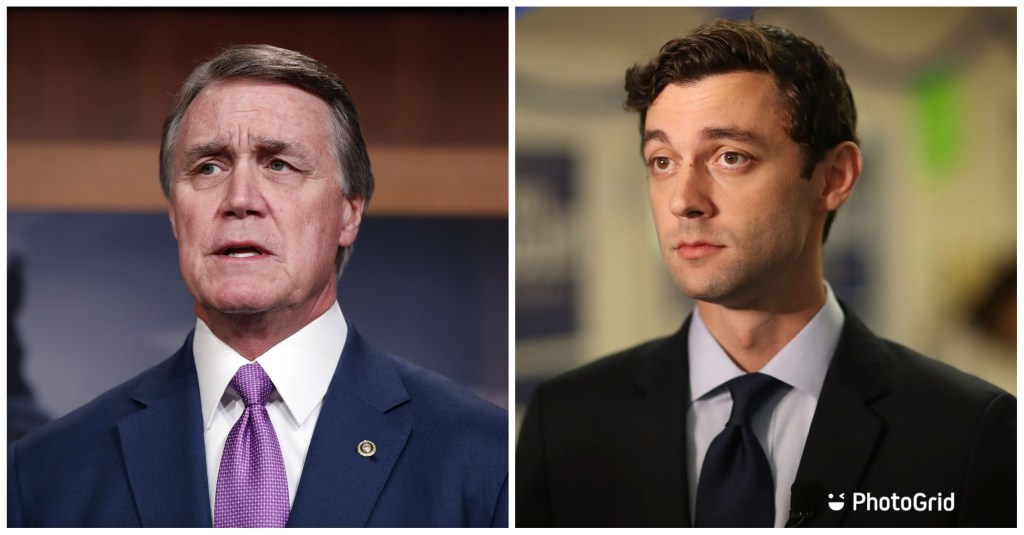
Georgia: David Perdue (R) vs Jon Ossoff (D)
RealClearPolitics rating: Toss Up
Jon Ossoff came to national attention when he contested the special House election in Georgia’s sixth district in 2017. While Georgia’s sixth was traditionally solidly Republican, the race became tight as it was widely seen as a referendum on Trump’s presidency up to that point. It became the most expensive House race in history, with candidates spending a combined $55 million. Ossoff lost, but it has given him enough name recognition in an increasingly purple Georgia to seriously challenge David Perdue.
Perdue was forced to take down an online ad earlier this summer which depicted Ossoff, a Jew, with an enlarged nose.
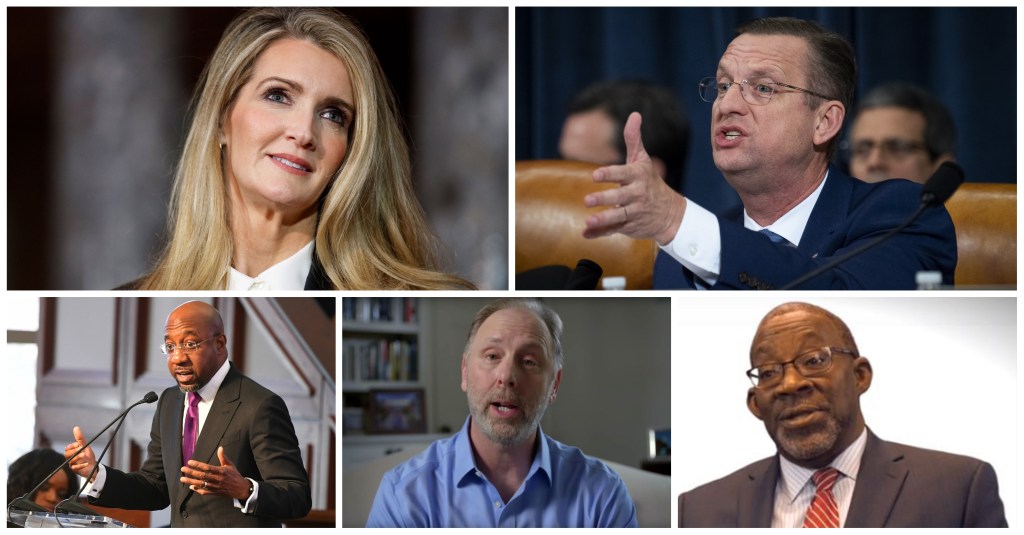
Georgia Special Election: Kelly Loeffler (R) vs Jungle Primary
RealClearPolitics rating: Leans Republican
While the regular Georgia election is a somewhat standard election in a new swing state, the Georgia special election has a uniquely chaotic energy in this year’s field of races. It will be a jungle primary, meaning multiple candidates from each party will all run against each other at the same time. If no candidate wins 50% of the vote, it will proceed to a run-off election between the top two.
There are five candidates who are polling well enough to matter:
- Kelly Loeffler (R): the incumbent, appointed by Governor Brian Kemp to occupy the seat after Johnny Isakson’s resignation. With a net worth of approximately half a billion dollars, Loeffler is the wealthiest member of either house of Congress. She faced scandal earlier this year after it was reported she sold off several million dollars worth of shares in companies which would be negatively affected by the global pandemic. These sales were made in January and February, before the pandemic truly hit the US, leading to accusations of insider trading. She also published a pretty racist ad boasting about how she’s more conservative than Attila the Hun (https://www.youtube.com/watch?v=jdBQnpOXVHo).
- Doug Collins (R): a House Representative who has accused Loeffler of being too close to Democrats. In the hours after Ruth Bader Ginsburg died, he tweeted a commemoration for “the more than 30 million innocent babies that have been murdered during the decades that Ruth Bader Ginsburg defended pro-abortion laws.”
- Raphael Warnock (D): a pastor at Martin Luther King’s old church endorsed by basically the entire Democratic Party. His ex-wife has accused him of running over her foot with his car during an argument. Warnock has denied the allegation.
- Matt Lieberman (D): son of Al Gore’s 2000 running mate Joe Lieberman. Joe is a flaky centrist, responsible for Obamacare not providing a public option. Matt meanwhile released a novel in 2018 set in the present day about a white southerner and his imaginary slave. The book has been widely regarded as racist.
- Ed Tarver (D): also running
The Georgia special election is more likely to end in a GOP win than the regular election as the Democrats are currently splitting their vote more, meaning the top two candidates who will proceed to the run-off could very well both be Republicans.
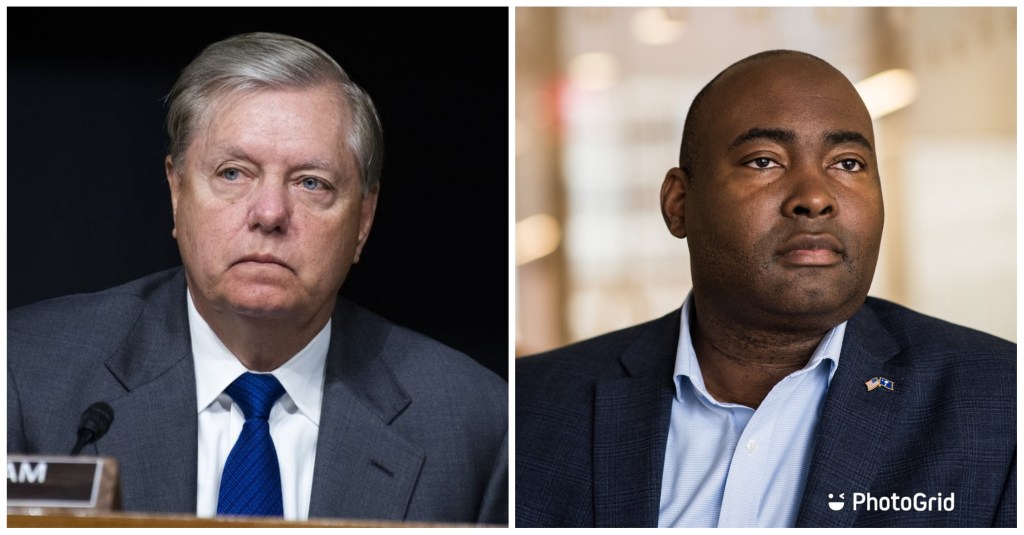
South Carolina: Lindsey Graham (R) vs Jaime Harrison (D)
RealClearPolitics rating: Leans Republican
Lindsey Graham ran for president in 2016, and spent much of that cycle criticising Trump, even after Trump won the Republican nomination. Since 2017 however, Graham has become one of Trump’s staunchest and most loathsome allies. Normally South Carolina would be out of the question for Democrats, but the combined unpopularity of Graham’s heel-turn and Trump’s presidency seems to be giving Jaime Harrison a chance.
Graham is currently the chairman of the Senate Judiciary Committee. It is unclear how his efforts to replace Ginsburg will play out, or whether they will prove unpopular.
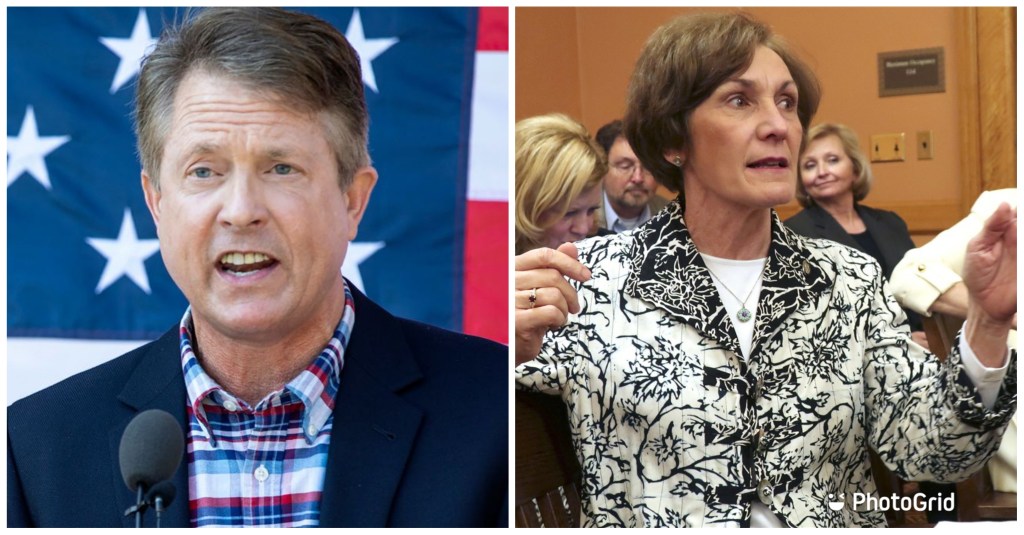
Kansas: Roger Marshall (R) vs Barbara Bollier (D)
RealClearPolitics rating: Likely Republican
Republican incumbent Pat Roberts is not running for re-election. Vying to replace him are Representative Roger Marshall and State Senator Barbara Bollier. Marshall has promoted several conspiracy theories about coronavirus death counts being inflated, and once attempted to run over his neighbour as part of a land dispute. He is likely to win this race, but could be defeated if there is a true Democratic landslide.
Bollier was a Republican until 2018, when she swapped parties over the GOP’s stances on LGBT rights.
Michigan: Gary Peters (D) vs John James (R)

RealClearPolitics rating: Toss Up
Gary Peters is the only other person in the Doug Jones camp of Democratic incumbents up for re-election in states Trump won in 2016. Peters and Biden should be able to win the state, but in the event Trump turns things around Peters could be in trouble.
John James previously ran for Senate in 2018 against Debbie Stabenow, but lost.
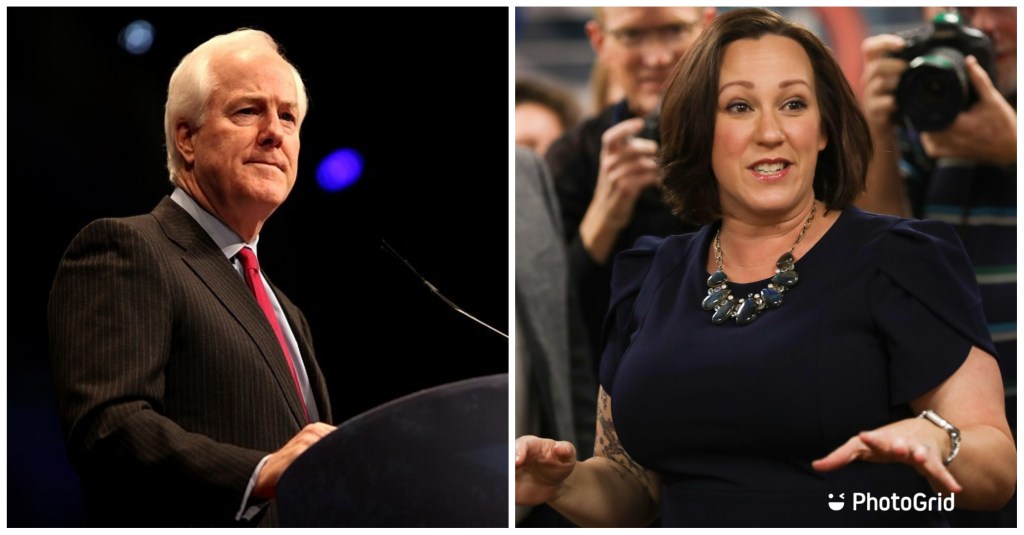
Texas: John Cornyn (R) vs MJ Hegar (D)
RealClearPolitics rating: Leans Republican
It’s very fashionable to speculate that *insert year here* is the year that Texas will finally turn purple, but it’s never correct. Texas may be a swing state some day, but, no matter what anyone tries to tell you, John Cornyn will certainly probably win re-election.
I know Beto O’Rourke nearly won but that’s only because everyone hates Ted Cruz.

